Helping Aging Parents Stay Safely at Home
TruBlue Home Service of Plymouth & Maple Grove
For more information about the author, click to view their website: TruBlue Home Service Ally
Sep 30, 2026
Minnesota - Twin Cities Metro Area

Email US
Click to Email Us
Discover how TruBlue Home Service Ally helps Minnesota families make aging parents' homes safer, easier to maintain and better suited for independent living. For many adult children, there comes a time when visiting Mom or Dad feels a little different.
Maybe you notice a loose railing that hasn't been repaired. A lightbulb has been out for months because it's too difficult to reach. The bathroom could use a grab bar, the front steps are becoming harder to navigate, or the list of small home repairs seems to be getting longer.
Individually, these things may not seem significant. Together, however, they can be signs that maintaining the home is becoming more difficult.
For families who want to help an aging parent remain independent, one of the most important places to start is the home itself.
The Home May Need to Change as We Age
A house that worked perfectly at age 50 may present very different challenges at 75 or 80.
Stairs become more difficult. Reaching overhead becomes risky. Carrying items while navigating steps can be harder. Bathrooms may lack adequate support, and outdoor maintenance that was once routine can become physically demanding.
That doesn't necessarily mean it's time to move.
Often, relatively modest changes can make the home easier and safer to navigate while allowing an older adult to maintain the independence they value.
For families in Plymouth, Maple Grove and surrounding communities, TruBlue Home Service Ally helps identify and address many of these everyday home concerns. TruBlue's services include home safety assessments, repairs, maintenance and modifications designed to support older adults who want to continue living at home. mn.gov // Minnesota's State Portal
Start by Looking at the Home Through New Eyes
Adult children often know their parents' homes almost as well as their own. That familiarity can actually make potential problems easier to overlook.
Instead of simply visiting, walk through the home while thinking about how your parent's needs may have changed.
Are stairs adequately lit? Are handrails secure? Is getting in and out of the shower becoming difficult? Are frequently used items stored where they can be reached safely? Are there loose flooring, cords or other potential tripping hazards? Are exterior steps, decks and walkways in good condition?
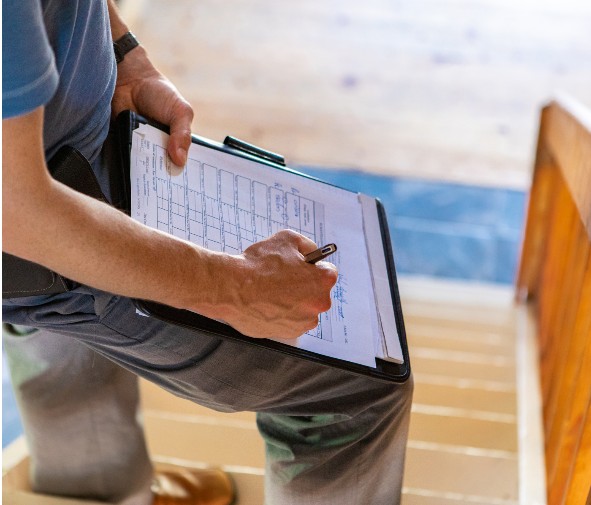
TruBlue's senior home safety assessment takes a more systematic approach. Minnesota's aging-services directory describes the company's assessment as covering dozens of areas, including walkways, garage access and lighting, porches and decks, doors, slipping and tripping hazards, water temperature, stairs and railings. mn.gov // Minnesota's State Portal
The goal isn't to completely remodel a parent's home. It's to identify practical improvements that can make everyday activities easier and safer.
Don't Let the Small Repair List Keep Growing
One of the biggest challenges for aging homeowners isn't necessarily a major renovation.
It's the little things.
A sticking door. A loose cabinet handle. A damaged step. A dripping faucet. A railing that wiggles. A light fixture that needs attention. Seasonal maintenance that keeps getting postponed.
For an adult child, those tasks can quickly turn into another weekend "to-do" list—especially when you're also balancing your own home, career, children and other responsibilities.
This is where having a trusted home service professional can make a significant difference.
Rather than waiting until small problems become larger ones, families can have repairs and maintenance handled proactively.
Home Safety Is About Independence, Not Just Repairs
A grab bar isn't simply a piece of hardware.
A sturdy railing isn't simply a home improvement.
For an older adult, these improvements can provide confidence.
Being able to move around the home comfortably, use the bathroom more safely, enter and exit the house with greater ease and keep the property maintained can all contribute to a person's ability to remain independent.
That distinction is important.
Aging-in-place improvements aren't about making a home look "medical." They're about adapting the environment so it continues to work for the person who lives there.
Give Adult Children Peace of Mind, Too
Supporting an aging parent from across town—or across the country—can be stressful.
Adult children may wonder whether the house is being maintained, whether something needs repair or whether their parent is attempting projects that are no longer safe for them to tackle.
Having a reliable local resource can relieve some of that pressure.
TruBlue's approach combines handyman services, senior home modifications, home safety and ongoing maintenance. The Plymouth and Maple Grove operation describes its role as helping homeowners maintain their homes through different stages of life. LinkedIn
That can allow adult children to spend less time worrying about the house and more time simply being a son or daughter.
Have the Conversation Before There's a Crisis
Families sometimes wait until after a fall, hospitalization or other major event before evaluating the home.
A better approach is to start earlier.
Ask your parent what has become difficult around the house. Walk through the home together. Talk about the chores they no longer enjoy or feel comfortable doing. Look for simple changes that could make daily life easier.
Most importantly, involve your parent in the decisions.
Aging in place works best when older adults feel that changes are helping them maintain control and independence, rather than taking those things away.
A Trusted Home Ally Can Make a Difference
Helping a parent remain at home doesn't have to mean doing everything yourself.
For families throughout Plymouth, Maple Grove and surrounding Twin Cities communities, TruBlue Home Service Ally provides professional home repairs, maintenance, home safety assessments and senior-focused modifications that can help make aging at home more manageable. mn.gov // Minnesota's State Portal
Sometimes the best way to help Mom or Dad remain independent isn't a major life change.
It may simply begin by making sure the home they love continues to work for them. Learn more about TruBlue Home Service Ally – Plymouth & Maple Grove through their Seniors Blue Book profile, or contact their team at 763-400-3748 to discuss home safety, maintenance or aging-in-place needs.

Other Articles You May Like
Your Local Connection to Aging Resources and Support
Your Local Connection to Aging Resources and SupportGrowing older often brings new questions about independence, healthcare, family responsibilities, and long-term support. Some older adults need only occasional assistance, while others may require more extensive services as their circumstances change.Families may find themselves navigating unfamiliar systems involving government programs, community organizations, caregiving resources, and residential care options.The challenge is not always identifying a particular service. Sometimes, it is understanding how the different pieces of the aging-services system work together.Who oversees community programs for older adults? How are public resources distributed? Where can families learn about support for aging at home? And who can help advocate for older adults when their rights or needs are not being addressed?For residents throughout Escambia County, Alabama, the local Area Agency on Aging serves as an important connection to these resources.AgeSouth Escambia is part of AgeSouth, the designated Area Agency on Aging operating through the South Alabama Regional Planning Commission.AgeSouth works within a network of federal, state, local, nonprofit, and community organizations to support older adults, individuals with disabilities, and family caregivers.Its responsibilities include coordinating community-based aging programs, connecting individuals with appropriate services, supporting caregiver resources, and promoting the rights and independence of older adults.Understanding the role of an Area Agency on Aging can help families approach aging-related decisions with greater clarity and confidence.What Is an Area Agency on Aging?An Area Agency on Aging, often abbreviated as AAA, is an organization designated to coordinate and support services for older adults within a particular geographic region.Area Agencies on Aging are part of a nationwide network established under the Older Americans Act.Core Responsibilities May IncludeAssessing community aging-related needsPlanning regional aging servicesCoordinating service providersAdministering public program fundingSupporting family caregiversPromoting independent livingProviding information and referralsAdvocating for older adultsMonitoring contracted servicesA Regional ApproachInstead of having every senior program operate independently, an Area Agency on Aging helps connect services within a coordinated system.Services Are Not Identical EverywherePrograms, funding, staffing, and local partnerships can vary among regions.Families should confirm current options through the agency responsible for their county.Understanding AgeSouth's Official RoleAgeSouth is the public-facing name of the Area Agency on Aging within the South Alabama Regional Planning Commission.The commission has served as the designated Area Agency on Aging for its region since 1972.AgeSouth's Service RegionThe regional agency serves:Escambia CountyMobile CountyBaldwin CountyState and Federal ConnectionsAgeSouth works in cooperation with the Alabama Department of Senior Services and the national aging-services network administered through the U.S. Administration for Community Living.A Public Service MissionAgeSouth's stated mission emphasizes promoting dignity and independence through advocacy and the development of coordinated services responsive to older adults and family caregivers.A Network of ProvidersThe organization provides some services through its own staff and contracts with approximately 50 community agencies for other services.This collaborative approach is central to how the Area Agency on Aging operates.How the Older Americans Act Supports Senior ServicesThe Older Americans Act is a federal law that established a framework for community-based programs serving older adults and their caregivers.It supports services intended to help people remain engaged, maintain independence, and access assistance when needed.Programs May SupportHome- and community-based assistanceCaregiver resourcesNutrition programsHealth promotionInformation and assistanceLegal servicesLong-term care advocacyFederal Funding Works Through a NetworkFederal resources generally flow through designated state and regional aging organizations under applicable program rules.Regional Planning MattersArea Agencies on Aging assess local needs and develop plans describing how services will be coordinated.Services Have RequirementsPrograms may differ in eligibility, targeting priorities, funding, and available capacity.Receiving information from the Area Agency on Aging does not automatically guarantee enrollment.Regional Planning Helps Identify Community NeedsAn important responsibility of an Area Agency on Aging is understanding the changing needs of the population it serves.Older adults do not all face the same challenges.One household may need transportation, while another requires caregiver support or help understanding long-term service options.Planning Considerations May IncludeGrowth in the older populationAvailability of in-home assistanceCaregiver needsTransportation accessNutrition resourcesRural service barriersDisability-related needsFinancial vulnerabilityCommunity health concernsAgeSouth's Area PlanAgeSouth maintains a regional Area Plan for fiscal years 20252029.The plan provides a framework for administering Older Americans Act-supported services and coordinating regional aging resources.Why Planning MattersEvaluating local needs helps the agency identify priorities and work with participating organizations.It also supports accountability for public programs.Understanding Public and Community PartnershipsNot every senior service is delivered by a government employee.Area Agencies on Aging often depend on partnerships with community-based organizations.Partners May IncludeLocal governmentsSenior centersNonprofit organizationsCommunity service agenciesHome care providersNutrition organizationsHealthcare-related programsVolunteer organizationsAgeSouth's Coordinating RoleAgeSouth may oversee or support programs while another organization provides the actual service.What Families Should AskWhen requesting assistance, clarify which organization is responsible for enrollment, scheduling, direct service delivery, and follow-up.Why Coordination Is UsefulA regional network can help make different forms of support more accessible without requiring every community to create a completely separate aging-services system.The Aging and Disability Resource CenterOne of AgeSouth's central public-facing resources is its Aging and Disability Resource Center, known as the ADRC.The ADRC helps individuals explore aging, disability, caregiving, and long-term support options.Verified Services IncludeInformation and referralUnbiased options counselingBenefits screeningApplication assistanceCommunity service navigationIn-home support informationCaregiver program referralsLong-term care resource guidanceA Starting Point for FamiliesSomeone may call about one concern and discover that several related programs are relevant.Individual Circumstances MatterADRC counselors consider personal needs and preferences rather than assuming every person should use the same service.Service Navigation Is Not Automatic EnrollmentA referral or screening can identify a possible option, but eligibility and actual enrollment depend on the responsible program.What Is Long-Term Services and Supports Planning?Long-term services and supports, commonly called LTSS, include different kinds of assistance for individuals who have ongoing functional needs.These needs may arise because of age, disability, chronic illness, or cognitive changes.Types of Support May IncludeIn-home personal assistanceAdult day servicesFamily caregiver supportCommunity-based programsCertain residential care servicesSkilled nursing when medically appropriateDisability-related assistanceThe Right Arrangement Depends on the PersonSome older adults can remain at home with limited support.Others may need more substantial assistance or a residential setting.AgeSouth's RoleThrough its ADRC and aging-services programs, AgeSouth helps families explore available options and understand relevant requirements.Clinical Needs Require Clinical AssessmentThe agency's guidance does not replace evaluation by licensed healthcare professionals when medical treatment or specialized nursing is necessary.Supporting Aging in PlaceAging in place generally means continuing to live in one's own home or community as support needs evolve.For many older adults, familiar surroundings and personal routines remain important.Common BarriersThese may include:Mobility limitationsDifficulty maintaining a householdLimited transportationReduced meal preparation abilityIncreased supervision needsFamily caregiver unavailabilityCommunity-Based Services May HelpDepending on eligibility and local availability, older adults may explore home-delivered meals, in-home assistance, caregiver programs, and related services.Public Programs Have LimitationsAgeSouth notes that some public in-home programs have specific eligibility requirements and waiting lists.Planning AheadFamilies may benefit from learning about resources before an urgent change in care needs occurs.Family Caregiver Resources Through Alabama CaresCaregiving can affect a family's physical, emotional, and financial well-being.A spouse or adult child may gradually take on transportation, personal assistance, household tasks, and care coordination.AgeSouth administers Alabama Cares, a program designed to support eligible family caregivers.Five Core Service AreasThe program includes:InformationAssistanceCounselingRespite careSupplemental servicesEducational ResourcesAgeSouth also offers caregiver education through Caregiver Colleges, newsletters, and information about support groups.Respite CareQualifying caregivers may be able to access temporary support, depending on program requirements and available funding.Caregiver EligibilityThe program addresses several caregiver populations, including those caring for older adults and individuals with Alzheimer's disease or related dementias.Understanding Long-Term Care Ombudsman ServicesLong-term care residents have important rights concerning dignity, safety, care, and participation in decisions.AgeSouth participates in the Long-Term Care Ombudsman Program, which supports residents of covered long-term care facilities.Ombudsman Responsibilities May IncludeProviding information about resident rightsReceiving complaintsInvestigating relevant concernsWorking toward complaint resolutionSupporting resident and family councilsIdentifying issues affecting long-term care residentsWho Can Contact an Ombudsman?Residents, relatives, friends, facility staff, and other concerned individuals may contact the program.Confidentiality MattersThe program follows applicable confidentiality and consent requirements when addressing complaints.Independent AdvocacyOmbudsman services help advocate for residents' interests and rights.They do not replace emergency services, regulatory enforcement authorities, or private legal representation when those are needed.Legal Assistance and Elder RightsSome older adults encounter problems involving benefits, housing, consumer transactions, or financial exploitation.Legal assistance may be necessary to protect rights and resolve certain disputes.AgeSouth funds a Legal Assistance Program for qualifying older adults.Published Areas of Assistance IncludePowers of attorneyAdvance healthcare directivesWillsConsumer mattersElder abuse and exploitationCertain housing concernsAccess to healthcareIncome and benefits disputesEligibility RequirementsThe program provides assistance for eligible noncriminal, non-fee-generating civil legal matters, generally serving adults aged 60 and older.AgeSouth's ResponsibilityAgeSouth supports access to the program; actual legal representation and advice must be provided by appropriately qualified professionals.Ask About AvailabilityCase acceptance depends on eligibility, program scope, and legal service capacity.Benefits Navigation as Part of a Larger SystemMany older adults are eligible for programs they do not fully understand.Potential resources may relate to healthcare, prescriptions, nutrition, or household expenses.AgeSouth's Benefits AssistanceThrough its ADRC, the agency screens for potential assistance and helps individuals understand relevant applications.Medicare CounselingAgeSouth's State Health Insurance Assistance Program provides free, unbiased Medicare information.Other AssistanceBenefits navigation may also involve SNAP food assistance, Medicare Savings Programs, and other qualifying resources.Eligibility Decisions Remain With Government ProgramsAgeSouth does not independently approve Medicare, Medicaid, SNAP, or other government benefits.Its role is to provide information, counseling, and assistance.Health Promotion and Community EngagementAn Area Agency on Aging also supports programs that help older adults stay involved in their communities.AgeSouth provides information about wellness classes, volunteer opportunities, and community programs.Activities May AddressFall prevention awarenessAppropriate physical activityHealth educationSocial connectionsVolunteer involvementCommunity participationDifferent People Need Different OpportunitiesAn individual interested in volunteering may need different information from someone looking for suitable wellness activities.Programs Change Over TimeCurrent schedules, eligibility rules, and registration requirements should be confirmed directly.Why Advocacy Is Important for Older AdultsAdvocacy is a major part of an Area Agency on Aging's responsibility.Older adults may face barriers when seeking services, understanding their rights, or addressing concerns within care settings.Advocacy May InvolvePromoting access to community servicesSupporting resident rightsIncreasing public awarenessIdentifying unmet needsEncouraging coordinated solutionsHelping people understand available complaint proceduresIndividual and System-Level ConcernsSome issues involve one person's need for assistance.Others reveal broader problems, such as service shortages or transportation barriers.A Regional PerspectiveArea Agencies on Aging can help identify recurring challenges and coordinate responses with public and community organizations.When Families Should Contact AgeSouthAgeSouth's Aging and Disability Resource Center is intended as an early point of contact for aging-related questions.Consider Calling WhenAn older adult wants to remain at home but needs more assistanceA family caregiver needs supportLong-term care options are becoming difficult to understandA resident has concerns about rights in a care facilityPublic benefits appear confusingLegal assistance may be neededFamily members need community service referralsA person wants to learn about local wellness or volunteer programsYou Do Not Need to Know the Program NameCallers can explain their circumstances and ask which services may be relevant.Follow-Up May Be RequiredSome programs involve assessments, referrals, applications, or waiting lists.Preparing for an ADRC Options Counseling ConversationAn organized description of needs can help AgeSouth identify appropriate resources.Information to PrepareAgeSouth recommends having information such as:Basic personal informationGross monthly incomeInsurance coverageRecent hospitalizationsMedical equipmentRelevant diagnosesCurrent assistance needsExplain Your Main ConcernsA useful description might focus on difficulty maintaining independence, an increase in caregiver responsibilities, or uncertainty about long-term care options.Ask About the Next StepClarify whether a referral, assessment, application, or follow-up appointment is required.Protect Personal InformationShare sensitive information through the agency's approved procedures.Understanding Eligibility and Service AvailabilityDifferent Area Agency on Aging programs have different requirements.Potential Eligibility FactorsThese may include:AgeIncomeDisabilityCaregiver relationshipFunctional limitationsResidencyProgram prioritiesAvailable fundingNot Every Program Is Limited to Adults Over 60AgeSouth explains that while many federally funded services serve people aged 60 and older or caregivers, certain programs also assist adults with disabilities of other ages.Availability Is Not GuaranteedEnrollment may depend on funding, assessments, provider capacity, and waiting lists.Ask About AlternativesIf one program is unavailable, the ADRC may help identify other appropriate resources.Expert Tip: Ask for a Coordinated Support PlanArea Agency on Aging Tip: When contacting AgeSouth, explain your most pressing needs and ask which public, nonprofit, or private resources could work together to address them. Clarify who provides each service, what eligibility rules apply, and whether a waiting list exists.For example, a family caregiver may need both occasional respite and information about longer-term support options. Discussing these needs together can help create a more coordinated approach instead of contacting unrelated services one at a time.Frequently Asked Questions About AgeSouth Escambia1. Is AgeSouth the official Area Agency on Aging for Escambia County, Alabama?Yes. AgeSouth operates through the South Alabama Regional Planning Commission, which is designated as the Area Agency on Aging for Region 8. Its service region includes Escambia County, Alabama.2. What does an Area Agency on Aging do?An Area Agency on Aging plans, coordinates, funds, monitors, and supports services for older adults and caregivers. It may provide some programs directly while contracting with community organizations for others. Services can include resource navigation, caregiver support, nutrition, legal assistance, and advocacy.3. Can AgeSouth help families understand long-term care options?Yes. Its Aging and Disability Resource Center provides unbiased options counseling, information, and referrals concerning home- and community-based services and other long-term care resources. Clinical assessments and program eligibility decisions remain the responsibility of appropriate professionals and agencies.4. Does AgeSouth provide advocacy for nursing home residents?AgeSouth participates in the Long-Term Care Ombudsman Program, which helps residents of covered long-term care facilities understand their rights and address complaints or concerns. The program follows applicable confidentiality and consent requirements.5. How can Escambia County residents contact AgeSouth?Residents can contact the AgeSouth Aging and Disability Resource Center at 251-706-4680 or email [email protected]. The center's published hours are Monday through Friday, 8:00 a.m. to 4:30 p.m., with visits available by appointment.Strengthening Independence Through Coordinated Aging ServicesAging well involves more than obtaining one service or completing one application.Older adults and caregivers may need information about in-home assistance, public benefits, caregiver resources, long-term care choices, advocacy, and community programs at different times.These needs can overlap, making coordination especially important.For residents throughout Escambia County, Alabama, AgeSouth Escambia provides access to the region's designated Area Agency on Aging.Through the South Alabama Regional Planning Commission, AgeSouth works with state and federal aging programs and community organizations to support independence, dignity, and informed choices.Its responsibilities include regional planning, program coordination, advocacy, long-term care information, caregiver support, and access to appropriate community services.The agency also operates an Aging and Disability Resource Center where individuals can begin exploring resources based on their actual circumstances.Some services are delivered directly, while others are provided through contracted or referred organizations.Eligibility, waiting lists, and available funding determine which programs an individual may receive.By understanding how the Area Agency on Aging system works, families can more effectively navigate support options and prepare for changing needs.A coordinated approach helps put the focus where it belongs: on the older adult's preferences, rights, well-being, and ability to remain connected to the community.Learn More About AgeSouth EscambiaLooking for Area Agency on Aging resources and senior advocacy in Escambia County, Alabama?Visit AgeSouth Escambia on SeniorsBlueBook.com to explore its Area Agencies on Aging listing and learn more about community support, long-term care information, and caregiver resources.Contact AgeSouth's Aging and Disability Resource Center for information about options counseling, eligibility screening, caregiver programs, resident advocacy, and community-based services.
Aging in Place Safely in Ocean County, NJ
Aging in Place Safely in Ocean County, NJFor many older adults, the idea of growing older at home is deeply meaningful. Home represents familiarity, independence, personal history, and the freedom to follow established routines.The kitchen where favorite meals are prepared, the living room where family gathers, and the familiar surroundings of a longtime residence all contribute to a sense of comfort.As people age, however, the home that once accommodated every need may require adjustments.A staircase that was easy to climb years ago may become physically demanding. A bathtub may present new safety concerns. Household maintenance, transportation, and everyday responsibilities may require additional assistance.These changes do not necessarily mean that remaining at home is no longer possible.With thoughtful planning, appropriate home modifications, professional guidance, and personalized support, many older adults can continue living in familiar surroundings as their needs evolve.For seniors and families throughout Ocean County, New Jersey, understanding the principles of aging in place can help create a practical strategy for long-term independence.Home Instead (Ocean County NJ) provides in-home senior care services that can support older adults who want to remain in their own homes.Through personalized assistance with daily activities, mobility, household responsibilities, companionship, and changing care needs, Home Instead helps families explore ways to make aging at home more manageable.A successful aging-in-place plan begins with understanding the home environment, recognizing potential challenges, and preparing for future changes before they become urgent.What Does Aging in Place Mean?Aging in place refers to continuing to live in one's own home or chosen community as one grows older, rather than relocating solely because of age.The goal is to maintain as much independence, comfort, and personal choice as possible while addressing changing needs.Aging in Place May InvolveImproving home accessibilityReducing fall hazardsAdapting daily routinesArranging transportationManaging household responsibilitiesReceiving in-home personal careMaintaining social connectionsPlanning for healthcare needsCoordinating family assistanceAdjusting support over timeIndependence Does Not Mean Doing Everything AloneSome older adults believe that accepting assistance means giving up independence.However, support with difficult activities may allow someone to continue making personal decisions and enjoying familiar surroundings.The goal is to provide appropriate assistance while preserving the person's abilities and preferences.Aging-in-Place Support From Home InsteadHome Instead provides personalized in-home care for older adults with different support needs.Its local services include assistance with daily living activities, household routines, mobility, cognitive changes, and family caregiving responsibilities.Services That May Support Aging in PlaceDepending on the individual care plan, Home Instead may provide:Personal care assistanceBathing and dressing supportMobility assistanceHelp with transfersMeal preparationLight housekeepingGrocery shoppingCompanionshipDementia-related supportRespite careExtended or overnight care arrangementsCare That Changes With the IndividualAging at home is not always a fixed arrangement.Someone may initially need occasional assistance with shopping and household activities.Later, additional personal care or more frequent caregiver visits may become appropriate.A flexible care plan can help families respond to these changes.Understanding the Provider's RoleHome Instead provides in-home care services.Major home renovations, architectural modifications, medical treatment, and skilled rehabilitation may require separate qualified professionals.Families should understand which responsibilities fall within the home care provider's services.Begin With a Home Safety AssessmentOne of the most important steps in aging-in-place planning is evaluating whether the current home supports the older adult's physical abilities.A home can feel familiar while still presenting avoidable hazards.Areas Worth ReviewingConsider:Entrances and exitsStaircasesBathroomsBedroomsKitchensHallwaysFlooringLightingOutdoor walkwaysFrequently used living spacesObserve Everyday ActivitiesRather than looking only for obvious hazards, consider how the older adult uses the home.Can they reach commonly used items?Do they feel steady walking through hallways?Can they access the bathroom comfortably at night?Are there areas where they regularly need support?Consider Professional EvaluationAn occupational therapist or another qualified professional may recommend accessibility improvements based on mobility, strength, vision, and daily functioning.Understanding Fall Risks for Older AdultsFalls are a significant concern for older adults and their families.According to the Centers for Disease Control and Prevention, more than one in four adults aged 65 and older experiences a fall each year.Although falls are common, many risk factors can be addressed through appropriate assessment and preventive measures.Common Factors That May Increase Fall RiskThese can include:Reduced balanceMuscle weaknessVision changesCertain medicationsPoor lightingLoose rugsCluttered walkwaysSlippery surfacesInappropriate footwearDifficulty navigating stairsWhy Fall Prevention Requires More Than Home ModificationsInstalling grab bars or improving lighting can help address environmental hazards.However, some fall risks involve medical conditions, medication effects, or balance problems.Healthcare professionals should evaluate these factors.The Importance of Early ActionA fall does not have to occur before a family begins evaluating safety.Preventive planning is particularly useful when mobility or balance begins to change.Creating Safer Walking PathsEveryday movement throughout the home should be as comfortable and practical as possible.Small obstacles can become more concerning when an older adult uses a walker, cane, or other mobility aid.Walking Path ConsiderationsReview whether:Hallways are free of clutterElectrical cords are securedRugs create tripping hazardsFurniture blocks movementFlooring is evenWalkways are sufficiently wideFrequently used rooms are easily accessibleAvoid Unstable FurnitureOlder adults sometimes use tables or chairs for support while walking.Furniture may not be designed to bear a person's weight.A healthcare professional can advise whether an appropriate mobility aid is needed.Maintain Clear RoutesThe most frequently used paths, especially between the bedroom and bathroom, should receive particular attention.Bathroom Safety and AccessibilityBathrooms often require special consideration because they combine wet surfaces, limited space, and frequent changes in position.Entering a bathtub, standing in a shower, or sitting on a toilet may become difficult as mobility changes.Possible Bathroom ModificationsDepending on individual needs, options may include:Professionally installed grab barsNonslip surfacesAppropriate shower seatingImproved lightingHandheld showerheadsAccessible storageSuitable toilet equipmentImproved doorway accessWhy Grab Bar Placement MattersGrab bars should be installed securely and positioned according to the user's needs.Towel bars are not substitutes for properly installed support bars.Seek Professional RecommendationsBathroom equipment should match the person's abilities and physical limitations.An occupational therapist can help evaluate appropriate modifications.Personal Care SupportWhen bathing or toileting requires hands-on assistance, appropriately qualified Home Instead caregivers may provide support according to the care plan.Making Bedrooms Safer and More ComfortableBedrooms should support comfortable movement, accessible storage, and safe nighttime routines.An older adult who wakes frequently during the night may face additional challenges if lighting is poor or the bathroom is difficult to reach.Bedroom Safety ConsiderationsThese may include:Adequate bedside lightingClear walking pathsEasy access to a telephoneAppropriate bed heightConvenient clothing storageStable furnitureAccessible mobility aidsNightlights where neededWhy Bed Height MattersA bed that is too high or too low may make transfers difficult.The appropriate height depends on the person's strength, mobility, and equipment needs.Nighttime AssistanceSome individuals require help getting into bed, getting out of bed, or using the bathroom overnight.Families can discuss available nighttime care options with Home Instead.Kitchen Accessibility and Everyday IndependenceThe kitchen is an important part of daily life.Many older adults enjoy preparing favorite recipes and maintaining familiar mealtime traditions.However, reaching high shelves, standing for long periods, or handling heavy cookware may become challenging.Kitchen Improvements to ConsiderThese may include:Moving frequently used items to accessible shelvesImproving task lightingKeeping floors free of obstaclesUsing easily operated handlesOrganizing commonly used suppliesReducing unnecessary reachingMaintaining clear countertopsPreserve Meaningful ActivitiesIf an older adult enjoys cooking, the goal does not necessarily have to be removing them from the kitchen.Appropriate assistance can help maintain participation in familiar activities.Meal Preparation SupportHome Instead caregivers may assist with meal planning, grocery shopping, preparation, and cleanup.Medical dietary requirements should be directed by qualified healthcare professionals.Managing Stairs and EntrancesStairs may become increasingly difficult when an older adult experiences reduced strength, balance changes, or joint discomfort.Entrances can also create challenges because of steps, uneven surfaces, or limited handrails.Safety ConsiderationsFamilies should evaluate:Stair lightingHandrail conditionStep visibilityStairway clutterEntrance thresholdsOutdoor surfacesAccess during poor weatherPossible Accessibility ImprovementsDepending on the home, modifications may include improved railings, safer entrance surfaces, ramps, or changes to room arrangements.Structural modifications should be evaluated and installed by qualified professionals.Consider Main-Level LivingIn some homes, moving essential activities to one level may reduce the need to use stairs frequently.A downstairs bedroom or appropriately located laundry facilities may become valuable.Recognize When Stairs Are No Longer AppropriateA healthcare professional can help assess mobility and recommend alternatives if stair use becomes unsafe.Lighting, Vision, and Home SafetyAge-related vision changes may affect depth perception, contrast sensitivity, and the ability to see clearly in low-light environments.Poor lighting can make everyday activities more difficult.Lighting Improvements May IncludeBrighter hallway lightingMotion-activated nightlightsImproved stair lightingAccessible light switchesAdequate bathroom lightingReduced glareTask lighting in the kitchenAvoid Sudden Changes in LightingMoving between very bright and dim areas may be uncomfortable for some individuals.Consistent illumination can make the environment easier to navigate.Schedule Appropriate Vision CareRegular eye examinations and updated prescriptions may help identify vision concerns.An eye care professional should evaluate changes in vision.Medication Management and Fall RiskMedication-related concerns are another important consideration in aging-in-place planning.Certain prescriptions and over-the-counter products may contribute to dizziness, drowsiness, or other effects that influence balance.Signs Worth Discussing With a Healthcare ProfessionalThese may include:New dizzinessUnusual sleepinessIncreased unsteadinessConfusionChanges after starting medicationDifficulty following medication routinesProfessional Medication ReviewsA physician or pharmacist can review medications and evaluate potential concerns.Older adults should not independently discontinue prescribed medications because of suspected fall risk.Caregiver RemindersDepending on the service arrangement and applicable caregiver qualifications, Home Instead caregivers may provide medication-related reminders or other authorized assistance.Medication decisions and clinical management remain the responsibility of appropriately qualified professionals.Planning for Mobility ChangesAn aging-in-place plan should account for the possibility that walking, standing, or transferring may become more difficult.Mobility Questions to ConsiderCan the person walk comfortably through the home?Are stairs becoming challenging?Is a walker or cane needed?Are transfers becoming more difficult?Can the person enter and exit the home safely?Does the bathroom accommodate mobility needs?Physical and Occupational TherapyQualified rehabilitation professionals can assess strength, balance, mobility, and daily functioning.They may recommend exercises, mobility equipment, or environmental changes.Appropriate Caregiver AssistanceHome Instead provides mobility and transfer assistance within the assigned caregiver's qualifications and established care plan.Avoid Unsafe TransfersWhen substantial lifting or specialized equipment is required, families should obtain professional guidance rather than assume ordinary home care assistance is sufficient.Building a Long-Term Care PlanAging in place is often more successful when families plan for different levels of support.Care needs may evolve gradually or change suddenly after an illness.Early-Stage SupportAn older adult may initially need assistance with:ShoppingMeal preparationLight housekeepingTransportationCompanionshipIncreased Daily AssistanceLater, additional services may involve:BathingDressingGroomingMobilityToiletingMore frequent caregiver visitsHigher Support NeedsSome individuals may eventually require overnight supervision, extended caregiving, or separate skilled medical services.Reassess RegularlyA care plan should be reviewed when there are significant changes in health, mobility, cognition, or family availability.The goal is to match assistance to current needs rather than follow an outdated schedule.Aging in Place With DementiaCognitive changes can create additional considerations for home safety.An individual living with dementia may forget familiar routines, become disoriented, or have difficulty recognizing hazards.Important Areas to ReviewThese may include:Medication routinesCooking safetyDoor and exit safetyHousehold organizationSupervision needsEmergency preparednessNighttime activitySafe access to personal belongingsFamiliarity Can Be ValuableFor some people living with dementia, familiar environments and established routines provide comfort.However, the suitability of remaining at home depends on the person's specific needs and available supervision.Personalized Dementia CareHome Instead offers dementia-related support, including assistance with daily activities and maintaining routines.Families should discuss safety concerns and supervision requirements openly.Professional Assessment Is ImportantDementia care planning should involve appropriate healthcare professionals, especially when wandering or other significant safety concerns occur.Emergency Preparedness for Older AdultsPreparing for emergencies is an important part of maintaining independence at home.An older adult may need additional assistance during severe weather, a power outage, or a medical emergency.Emergency Planning EssentialsConsider maintaining:An updated emergency contact listA current medication listImportant medical informationAccessible communication devicesA practical evacuation planNecessary mobility equipmentBasic emergency suppliesBackup arrangements for essential medical equipmentCommunication With FamilyRelatives and caregivers should understand whom to contact if the older adult cannot be reached.Plan for Caregiver DisruptionsFamilies should ask the provider how scheduling changes or emergencies are communicated.Medical EmergenciesHome caregivers do not replace emergency medical services.Immediate medical emergencies require an appropriate emergency response.The Importance of TransportationRemaining at home also requires access to services beyond the residence.Transportation can affect healthcare appointments, groceries, social connections, and other essential activities.Transportation Needs May IncludeMedical appointmentsPharmacy visitsGrocery shoppingCommunity programsFamily gatheringsPersonal errandsWhen Driving ChangesSome older adults gradually reduce their driving.Others stop driving because of health conditions, vision changes, or personal preferences.A transportation plan can help maintain access to everyday needs.Home Instead Transportation SupportHome Instead offers transportation-related assistance among its local services.Families should confirm current availability, service limitations, and scheduling requirements.Maintaining Social Connections While Aging at HomeAging in place should involve more than physical safety.Older adults also benefit from opportunities to maintain relationships, pursue interests, and participate in meaningful activities.Social Opportunities May IncludeFamily visitsHobbiesCommunity activitiesVolunteer opportunitiesConversations with friendsFaith-related gatheringsShared mealsVirtual communicationWhy Connection MattersAn older adult may have an accessible home but still experience limited social interaction.A comprehensive aging-in-place plan should consider emotional and social well-being.Home Instead CompanionshipHome Instead caregivers can provide companionship and support with everyday activities.These visits may complement existing family and community relationships.Supporting Family Caregivers Over TimeFamilies often play a central role in helping older adults remain at home.Spouses, adult children, and other relatives may coordinate appointments, manage household needs, and provide personal assistance.However, responsibilities can increase as care needs change.Common Family ChallengesThese may include:Balancing caregiving with employmentCoordinating transportationManaging overnight concernsHelping with personal careArranging household maintenanceResponding to emergenciesFinding time for personal responsibilitiesDevelop a Shared PlanFamilies may benefit from identifying:Who handles appointmentsWho manages household tasksWho communicates with healthcare providersWho coordinates caregiver visitsWho responds to emergenciesRespite CareHome Instead offers respite care arrangements intended to provide temporary relief for family caregivers.Available services and scheduling should be confirmed with the local office.Considering Home Safety TechnologyTechnology may provide additional tools for certain aging-in-place needs.However, electronic devices should complement rather than replace appropriate human assistance.Technology Options May IncludePersonal emergency response systemsAccessible telephonesVideo communicationAutomatic lightingMedication reminder devicesSmart-home controlsApproved monitoring arrangementsUnderstand LimitationsA device may fail, lose power, or require the older adult to take action.Families should evaluate reliability and determine whether the person can use the technology consistently.Privacy MattersMonitoring systems should respect the older adult's privacy and applicable consent requirements.Choose Technology Based on Actual NeedsA complex system is not necessarily better than a simple, reliable solution.Planning for the Cost of Aging at HomeAging in place may involve several categories of expenses.Some are predictable, while others arise as needs change.Potential CostsThese may include:Routine home maintenanceAccessibility modificationsIn-home caregivingTransportationSafety equipmentMedical servicesHome repairsEmergency assistanceHousehold expensesCompare the Full Financial PictureRemaining at home is not automatically the least expensive housing option.The total cost depends on property obligations, required care hours, modifications, and other circumstances.Understanding Care CostsHome Instead service costs vary according to the care plan, visit duration, frequency, and scheduling requirements.Families should request current pricing from the local office.Explore Appropriate BenefitsDepending on individual circumstances, some families may investigate long-term care insurance, veterans' benefits, or applicable public assistance programs.Coverage and eligibility should be confirmed directly with the relevant provider or agency.When Aging at Home May Need to Be ReconsideredRemaining at home can be an important goal, but it should be reviewed when care needs become more complex.In some circumstances, the home environment may no longer provide the appropriate level of support.Concerns That May Require ReassessmentThese include:Repeated fallsUnsafe transfersSignificant cognitive changesUnmanaged medical needsFrequent emergency situationsInadequate supervisionCare requirements exceeding available supportSerious caregiver strainConsider Appropriate AlternativesDepending on the person's needs, alternatives may include additional professional care, accessibility modifications, or a different residential setting.Respect the Older Adult's PreferencesDecisions should involve the older adult whenever possible.A healthcare professional can help evaluate safety and care requirements.Reassessment Is Part of Responsible PlanningChanging a care arrangement does not mean earlier aging-in-place planning was unsuccessful.It means the plan is being adjusted to reflect current needs.Creating an Aging-in-Place Action PlanA practical action plan helps families organize priorities.Step 1: Review the HomeIdentify safety concerns involving entrances, bathrooms, stairs, lighting, and walking paths.Step 2: Evaluate Daily ActivitiesDetermine which tasks the older adult completes independently and which require assistance.Step 3: Discuss Health and MobilityConsult qualified professionals about balance, vision, medications, and physical functioning.Step 4: Identify Needed ImprovementsPrioritize appropriate home modifications, equipment, and maintenance.Step 5: Develop a Support ScheduleConsider family availability and professional caregiving options.Step 6: Establish Emergency ProceduresCreate an accessible emergency contact list and response plan.Step 7: Review the Plan PeriodicallyReassess whenever care needs, medical conditions, or household circumstances change.Questions to Ask an Aging-in-Place Home Care ProviderFamilies considering professional assistance should understand how the provider can support changing needs.Helpful QuestionsWhich daily activities can caregivers assist with?Are personal care services available?What qualifications do assigned caregivers hold?Can support increase if needs change?Are overnight or extended care options available?How are mobility limitations addressed?What dementia-related services are offered?Can caregivers assist with transportation?How are family members kept informed?What are the costs and scheduling requirements?Home Instead (Ocean County NJ) can provide current information about its available home care arrangements.Expert Tip: Plan Before the First Major Safety ConcernAging-in-Place Tip: Walk through the home with the older adult and identify three areas that could become difficult if mobility or balance changes. Common examples include the bathroom, stairs, and nighttime walking routes. Discuss appropriate improvements with qualified professionals before a fall or emergency makes the changes urgent.Planning early provides more time to evaluate options, organize resources, and make thoughtful decisions.Frequently Asked Questions About Aging in Place1. What does aging in place mean for seniors in Ocean County?Aging in place means continuing to live in one's own home or chosen community while adapting the environment and support services to changing needs. It may involve home safety improvements, daily assistance, accessibility modifications, and professional caregiving.2. How can Home Instead (Ocean County NJ) support aging in place?Home Instead provides personalized in-home care services, including household assistance, companionship, personal care, mobility support, dementia-related care, and respite services. These arrangements can help older adults manage everyday responsibilities while remaining at home.3. What home modifications can help reduce fall hazards?Appropriate modifications may include improved lighting, securely installed grab bars, removal of tripping hazards, nonslip surfaces, and accessible walking paths. A qualified healthcare or home accessibility professional can recommend improvements based on individual needs.4. Can home care services increase as an older adult's needs change?Home Instead offers different levels and schedules of in-home support. Families can discuss adjustments when personal care, mobility, supervision, or scheduling needs change. Availability and suitability depend on the individual's requirements and the provider's services.5. When should families reconsider whether aging at home is appropriate?Families should reassess the arrangement when safety concerns, frequent falls, cognitive changes, medical needs, or supervision requirements exceed the support available at home. Healthcare professionals can help evaluate the appropriate level of care.Planning for Long-Term Independence at HomeAging in place is about creating a living environment that continues to support an older adult as circumstances change.It involves more than installing safety equipment or arranging occasional assistance.A thoughtful plan considers home accessibility, fall prevention, mobility, personal care, transportation, social engagement, emergency preparedness, and family support.For seniors throughout Ocean County, New Jersey, reviewing these areas early can help families identify practical improvements and develop realistic expectations.Home Instead (Ocean County NJ) provides personalized in-home care services that can support older adults through different stages of aging.Its caregivers assist with everyday responsibilities, personal care, mobility, companionship, and changing support needs.By combining professional caregiving with appropriate home modifications and healthcare guidance, families can create an approach that emphasizes safety while respecting personal choice.The goal is to help older adults enjoy familiar surroundings for as long as those arrangements remain appropriate for their health, abilities, and well-being.Learn More About Home Instead (Ocean County NJ)Looking for aging-in-place support for a senior in Ocean County, New Jersey?Visit Home Instead (Ocean County NJ) on SeniorsBlueBook.com to explore its Aging in Place listing and learn more about personalized in-home care options.Planning ahead can help older adults and families understand their options, address safety concerns, and make informed decisions about maintaining independence at home.
Choosing Home Accessibility Solutions in NJ
Choosing Home Accessibility Solutions in NJWhen mobility needs begin changing, families often discover that their homes are not as accessible as they once believed.A staircase that was once easy to climb may become exhausting. A traditional bathtub might create concerns about slipping. Exterior steps may make leaving the house difficult for someone using a wheelchair.These challenges can leave families wondering where to begin.Should they install a wheelchair ramp? Would a stair lift be more appropriate? Is a complete bathroom renovation necessary, or could smaller improvements provide enough support?For homeowners in Randolph, Morris County, and throughout New Jersey, choosing the right home accessibility solutions requires understanding both the available equipment and the individual's needs.Back Home Safely helps families evaluate these decisions through therapist-led assessments and professional installation services.By focusing on functional abilities, personal goals, and the home's layout, accessibility planning can become more practical and less overwhelming.What Are Home Accessibility Solutions?Home accessibility solutions include modifications and equipment designed to make a living environment easier to navigate for individuals with physical limitations.These solutions may help older adults, people with disabilities, individuals recovering from surgery, and family caregivers.Common Types of Accessibility EquipmentExamples include:Wheelchair rampsStair liftsGrab barsBathroom conversionsRoll-in showersWalk-in tubsStair railsAdjustable bedsLift chairsCeiling liftsSpecialized mobility equipmentNot every product is appropriate for every household.The right combination depends on the person, the activities that have become difficult, and the physical environment.Why Individual Needs Should Guide Every DecisionOne of the most common mistakes in home accessibility planning is focusing on equipment before identifying the problem.For example, someone may assume that a stair lift is necessary because an older parent struggles with stairs.However, the parent may also have difficulty standing from a seated position.If safe transfers are not possible, a stair lift may not be the right solution.Questions to Ask FirstBefore selecting equipment, consider:Which daily activities are difficult?What type of mobility equipment does the person use?Can the person walk independently?Is assistance required for transfers?Are the limitations temporary or long-term?What are the person's goals?Does a caregiver provide physical assistance?Are future changes in mobility anticipated?Answering these questions provides a foundation for more appropriate recommendations.Understanding Home Accessibility Needs in New JerseyNew Jersey homes vary greatly in age, design, and layout.In communities such as Randolph, Morristown, Parsippany, Denville, Dover, and Madison, families may live in houses with raised entrances, multiple levels, or traditional bathrooms.These features can become challenging when someone develops mobility limitations.Typical Residential Accessibility BarriersRaised entrancesSteps may make wheelchair or walker access difficult.Multi-level layoutsBedrooms and bathrooms may be located on different floors.Traditional bathroomsHigh bathtub walls and limited transfer space can create problems.Narrow doorwaysSome mobility devices require more clearance than the existing home provides.Limited support pointsStairways and bathrooms may lack appropriately positioned handholds.A home assessment can identify which barriers deserve attention.Solution 1: Wheelchair RampsWheelchair ramps provide a sloped access route between elevations.They are commonly used at entrances with steps or raised landings.Back Home Safely offers ramp recommendations, professional installation, and rental options.When a Ramp May Be AppropriateA ramp may help when:Someone uses a manual wheelchair.A powered wheelchair or scooter requires entry access.A walker user cannot safely navigate entrance steps.A person needs temporary access during recovery.A household is preparing for long-term mobility limitations.Factors That Affect Ramp SelectionA suitable ramp must account for the user's equipment and physical abilities.Important considerations include:Height differenceAvailable spaceRamp slopeSurface conditionsTurning areasWeight capacityHandrail requirementsInstallation methodLocal building regulationsA professional evaluation is important because unsuitable ramps may create hazards.Solution 2: Stair LiftsA stair lift is a motorized chair that travels along a rail attached to a staircase.It can help some individuals reach different floors without physically climbing stairs.Straight and Curved StaircasesStraight stair lifts are generally designed for stairs without turns.Curved staircases require equipment designed to accommodate changes in direction.The right system depends on the staircase geometry and the user's mobility needs.Important User ConsiderationsA stair lift may be appropriate when someone:Experiences pain while climbing stairsHas reduced enduranceCan transfer safely onto and off the seatCan maintain an appropriate seated positionCan understand and operate the controlsSignificant transfer difficulties may require another accessibility approach.Back Home Safely can help evaluate suitable stair lift options.Solution 3: Grab Bars and Stair RailsGrab bars and stair rails provide support during specific movements.They can be valuable in bathrooms, stairways, and other locations where someone needs an appropriate handhold.Grab BarsGrab bars are commonly installed near showers, bathtubs, and toilets.Placement should reflect how the user moves and transfers.Stair RailsSecure stair rails can assist individuals who retain the ability to climb steps but require additional hand support.However, rails may not adequately address severe balance or strength limitations.Why Installation MattersSupport equipment must be properly mounted and suitable for its intended use.A towel rack is not a substitute for a grab bar.Likewise, a loose handrail can become a safety concern.Professional installation helps ensure equipment is positioned and secured appropriately.Solution 4: Bathroom ConversionsBathrooms often require special attention because bathing and toileting involve balance, transfers, and movement on wet surfaces.A bathroom conversion may improve access for someone who struggles with traditional fixtures.Roll-In ShowersRoll-in showers may be appropriate for some wheelchair users or individuals requiring specialized bathing arrangements.However, the complete layout must accommodate equipment, transfer needs, drainage, and caregiver access.Walk-In TubsWalk-in tubs may reduce the height a user must step over when entering.They are not ideal for everyone.The person must be able to use the entry safely and remain in the tub while water fills and drains.Accessible Shower FeaturesDepending on the individual, improvements may include:Grab barsShower seatingHandheld showerheadsAppropriate traction surfacesAccessible controlsModified entry thresholdsBack Home Safely offers bathroom conversions, walk-in tubs, and roll-in showers.Solution 5: Lift Chairs and Adjustable BedsSome people experience difficulty standing from low seating or finding a comfortable position in bed.Specialized equipment may help with certain positioning and transfer needs.Lift Chair ReclinersLift chairs use powered mechanisms to change the chair's position.Some models may help users transition toward standing.However, the person must still have sufficient balance and ability to complete the transfer safely.Adjustable BedsAdjustable beds can change sleeping and resting positions.Depending on the individual, this may make certain activities more manageable.Equipment selection should reflect medical advice, mobility abilities, and manufacturer requirements.Back Home Safely lists lift chairs and adjustable beds among its available products.Solution 6: Customized Ceiling LiftsIndividuals with substantial mobility limitations may require specialized transfer assistance.A ceiling lift system may be considered when moving between a bed, wheelchair, or other surfaces requires mechanical support.These systems involve careful assessment of the person, transfer requirements, and structural environment.Important ConsiderationsUser weight and sizeTransfer locationsCaregiver trainingAppropriate sling selectionStructural supportEquipment inspectionMaintenance requirementsA ceiling lift should be selected and used with appropriate professional guidance.Back Home Safely includes customized ceiling lifts among its accessibility solutions.Why Therapist-Led Assessments Are ValuableMany accessibility products can appear similar in photographs or online descriptions.However, product specifications alone do not determine suitability.The person's strength, coordination, balance, mobility equipment, and home environment all matter.Back Home Safely's therapist-led assessment model brings these considerations into the planning process.How an Assessment Can HelpA professional evaluation may:Identify the most important mobility barriersReview current functional abilitiesConsider caregiver assistance needsEvaluate available spaceRecommend suitable equipmentIdentify potentially unnecessary modificationsHelp prioritize projectsSupport planning for changing needsThis individualized approach can be especially useful for families managing several accessibility concerns.Temporary Versus Permanent Accessibility EquipmentSome individuals need modifications for a limited period following illness or surgery.Others require equipment for ongoing mobility limitations.Temporary NeedsExamples include:Recovery after joint replacementRehabilitation following an injuryTemporary wheelchair useShort-term caregiver arrangementsRental equipment may be appropriate for certain situations.Long-Term NeedsPermanent solutions may be considered when mobility limitations are expected to continue.Families should evaluate durability, service requirements, accessibility, and the possibility of future needs.Questions to Ask About RentalsWhat is the minimum rental period?Does installation come with the rental?Who maintains the equipment?Are there removal fees?Can the rental period be extended?Is purchasing an option?Clear terms help prevent unexpected expenses.Understanding Installation CostsHome accessibility projects vary considerably in cost.A grab bar installation differs greatly from a customized bathroom conversion or ceiling lift system.Factors That Influence PricingType of equipmentProperty layoutInstallation complexityStructural requirementsElectrical workCustomizationPermitsAccessoriesMaintenance coverageFamilies should request written estimates and understand which services are included.Insurance and Funding QuestionsOriginal Medicare generally does not pay for most structural home modifications.Some other programs, insurance arrangements, or benefits may offer assistance under specific circumstances.Families should verify eligibility and coverage directly.Choosing a Home Accessibility ProviderSelecting a company involves more than comparing product prices.Families should consider professional qualifications, assessment methods, installation practices, and ongoing support.Questions Worth AskingDo you provide a home accessibility assessment?How do you evaluate the user's functional abilities?Who installs the equipment?What experience does the company have?Are warranties available?What maintenance is required?Can the equipment be adjusted later?What happens if a repair is needed?Are rental options available?Will any permits be required?Back Home Safely was founded in 2007 and offers an approach that combines clinical expertise with professional installation.Its team also provides education to therapists, social workers, case managers, and senior groups.Expert Tip: Choose the Solution, Not Just the ProductHome Accessibility Tip: Start with the person's functional goals. Whether someone wants to enter the house independently, use the bathroom more comfortably, or reach an upstairs bedroom, the right equipment should address that specific need.This approach can help families evaluate options without becoming overwhelmed by product choices.Frequently Asked Questions About Home Accessibility1. What are the most common home accessibility solutions?Common options include wheelchair ramps, stair lifts, grab bars, accessible showers, bathroom conversions, and specialized mobility equipment.2. How do I know which equipment is right for my loved one?A professional assessment can evaluate mobility, transfers, personal goals, caregiver needs, and the home's layout before recommending solutions.3. Can accessibility equipment be rented?Some products, including certain wheelchair ramps, may be available for rental. Back Home Safely offers ramp rental options.4. Do home accessibility modifications require major construction?Not always. Some installations are relatively straightforward, while customized bathroom conversions or other structural modifications may involve more extensive work.5. What makes Back Home Safely different from a typical equipment retailer?Back Home Safely emphasizes therapist-led accessibility assessments combined with professional installation, allowing recommendations to reflect individual functional needs and the home environment.Find Home Accessibility Solutions With Back Home SafelyChoosing the right accessibility equipment is an important decision for older adults, individuals with disabilities, and family caregivers.The best solution should address real mobility challenges while supporting comfort, safety, and independence.Back Home Safely offers assessments and installation services for ramps, stair lifts, grab bars, bathroom conversions, and other accessibility equipment throughout its New Jersey service area.Ready to explore home accessibility options for yourself or a loved one?Visit Back Home Safely on SeniorsBlueBook.com to learn more about available services and connect with the team.With thoughtful planning and professional guidance, families can create home environments that better support changing mobility needs.
Local Services By This Author

TruBlue Home Service of Plymouth & Maple Grove
Home Maintenance & Handyman Services , Plymouth, Minnesota,TruBlue of Plymouth & Maple Grove is a trusted, locally owned home service company dedicated to helping homeowners, busy families, and seniors maintain safe, comfortable, and well-cared-for homes. Owned by Tim and Jennifer Bauernfeind, TruBlue brings a unique Home Service Ally approachoffering reliable handyman services, senior home safety modifications, and ongoing maintenance plans designed to simplify homeownership and support aging in place.At the core of TruBlues offerings are their comprehensive handyman and home repair services. Their professional, background-checked, bonded, and insured Tru-Pro Technicians handle everything from minor repairs to larger home improvement projects. Homeowners can rely on TruBlue for drywall repair, door and window installation, flooring updates, interior painting, fixture replacements, and furniture assembly. They also specialize in kitchen and bathroom updates, deck building and repair, and a wide range of indoor and outdoor projects. Whether its tackling a growing to-do list or completing seasonal tasks like yard cleanup or power washing, TruBlue provides efficient, high-quality solutions tailored to each home. A key differentiator for TruBlue is their focus on senior services and aging in place solutions. As certified Senior Home Safety Specialists, their team works closely with older adults and families to ensure homes are safe, accessible, and supportive of independence. Their process begins with a detailed home safety assessment, identifying potential fall risks and accessibility challenges. From there, they implement customized modifications such as grab bars, handrails, wheelchair ramps, widened doorways, and bathroom safety upgrades. These improvements allow seniors to remain in their homes longer while reducing the risk of injury and increasing peace of mind for loved ones. In addition to one-time services, TruBlue offers ongoing Home Ally Maintenance Plans, which are ideal for busy homeowners and seniors who want a worry-free living experience. These monthly or quarterly programs include preventative maintenance, routine inspections, minor repairs, and seasonal upkeep. Services such as home watch, cleaning, and even commercial property maintenance are also available, ensuring that every aspect of a home or property is consistently maintained. TruBlue also partners with realtors and property owners to prepare homes for sale, completing inspection punch lists, repairs, and cosmetic improvements that help increase property value and market readiness. Their one-call solution approach means clients can rely on a single trusted provider for everything from small fixes to larger renovation projects.Ultimately, TruBlue of Plymouth & Maple Grove stands out for its commitment to quality, trust, and community. Their mission is simple: to take the stress out of home maintenance while helping clients preserve the value, safety, and comfort of their homes. Whether assisting a senior in aging safely at home or helping a busy family stay on top of home upkeep, TruBlue delivers dependable service with a personal touchmaking them a valuable partner for homeowners throughout the Twin Cities area.
TruBlue Home Service of Plymouth & Maple Grove
Ramps , Plymouth, Minnesota,TruBlue of Plymouth & Maple Grove is a trusted, locally owned home service company dedicated to helping homeowners, busy families, and seniors maintain safe, comfortable, and well-cared-for homes. Owned by Tim and Jennifer Bauernfeind, TruBlue brings a unique Home Service Ally approachoffering reliable handyman services, senior home safety modifications, and ongoing maintenance plans designed to simplify homeownership and support aging in place.At the core of TruBlues offerings are their comprehensive handyman and home repair services. Their professional, background-checked, bonded, and insured Tru-Pro Technicians handle everything from minor repairs to larger home improvement projects. Homeowners can rely on TruBlue for drywall repair, door and window installation, flooring updates, interior painting, fixture replacements, and furniture assembly. They also specialize in kitchen and bathroom updates, deck building and repair, and a wide range of indoor and outdoor projects. Whether its tackling a growing to-do list or completing seasonal tasks like yard cleanup or power washing, TruBlue provides efficient, high-quality solutions tailored to each home. A key differentiator for TruBlue is their focus on senior services and aging in place solutions. As certified Senior Home Safety Specialists, their team works closely with older adults and families to ensure homes are safe, accessible, and supportive of independence. Their process begins with a detailed home safety assessment, identifying potential fall risks and accessibility challenges. From there, they implement customized modifications such as grab bars, handrails, wheelchair ramps, widened doorways, and bathroom safety upgrades. These improvements allow seniors to remain in their homes longer while reducing the risk of injury and increasing peace of mind for loved ones. In addition to one-time services, TruBlue offers ongoing Home Ally Maintenance Plans, which are ideal for busy homeowners and seniors who want a worry-free living experience. These monthly or quarterly programs include preventative maintenance, routine inspections, minor repairs, and seasonal upkeep. Services such as home watch, cleaning, and even commercial property maintenance are also available, ensuring that every aspect of a home or property is consistently maintained. TruBlue also partners with realtors and property owners to prepare homes for sale, completing inspection punch lists, repairs, and cosmetic improvements that help increase property value and market readiness. Their one-call solution approach means clients can rely on a single trusted provider for everything from small fixes to larger renovation projects.Ultimately, TruBlue of Plymouth & Maple Grove stands out for its commitment to quality, trust, and community. Their mission is simple: to take the stress out of home maintenance while helping clients preserve the value, safety, and comfort of their homes. Whether assisting a senior in aging safely at home or helping a busy family stay on top of home upkeep, TruBlue delivers dependable service with a personal touchmaking them a valuable partner for homeowners throughout the Twin Cities area.

TruBlue Home Service of Plymouth & Maple Grove
Roll In Shower , Plymouth, Minnesota,TruBlue of Plymouth & Maple Grove is a trusted, locally owned home service company dedicated to helping homeowners, busy families, and seniors maintain safe, comfortable, and well-cared-for homes. Owned by Tim and Jennifer Bauernfeind, TruBlue brings a unique Home Service Ally approachoffering reliable handyman services, senior home safety modifications, and ongoing maintenance plans designed to simplify homeownership and support aging in place.At the core of TruBlues offerings are their comprehensive handyman and home repair services. Their professional, background-checked, bonded, and insured Tru-Pro Technicians handle everything from minor repairs to larger home improvement projects. Homeowners can rely on TruBlue for drywall repair, door and window installation, flooring updates, interior painting, fixture replacements, and furniture assembly. They also specialize in kitchen and bathroom updates, deck building and repair, and a wide range of indoor and outdoor projects. Whether its tackling a growing to-do list or completing seasonal tasks like yard cleanup or power washing, TruBlue provides efficient, high-quality solutions tailored to each home. A key differentiator for TruBlue is their focus on senior services and aging in place solutions. As certified Senior Home Safety Specialists, their team works closely with older adults and families to ensure homes are safe, accessible, and supportive of independence. Their process begins with a detailed home safety assessment, identifying potential fall risks and accessibility challenges. From there, they implement customized modifications such as grab bars, handrails, wheelchair ramps, widened doorways, and bathroom safety upgrades. These improvements allow seniors to remain in their homes longer while reducing the risk of injury and increasing peace of mind for loved ones. In addition to one-time services, TruBlue offers ongoing Home Ally Maintenance Plans, which are ideal for busy homeowners and seniors who want a worry-free living experience. These monthly or quarterly programs include preventative maintenance, routine inspections, minor repairs, and seasonal upkeep. Services such as home watch, cleaning, and even commercial property maintenance are also available, ensuring that every aspect of a home or property is consistently maintained. TruBlue also partners with realtors and property owners to prepare homes for sale, completing inspection punch lists, repairs, and cosmetic improvements that help increase property value and market readiness. Their one-call solution approach means clients can rely on a single trusted provider for everything from small fixes to larger renovation projects.Ultimately, TruBlue of Plymouth & Maple Grove stands out for its commitment to quality, trust, and community. Their mission is simple: to take the stress out of home maintenance while helping clients preserve the value, safety, and comfort of their homes. Whether assisting a senior in aging safely at home or helping a busy family stay on top of home upkeep, TruBlue delivers dependable service with a personal touchmaking them a valuable partner for homeowners throughout the Twin Cities area.